
Instruments of Destruction: Part 1 + Deserters & Disciples DLC V5.0 Release
Launching 5 Races & Classes + ~80 New Spells, 3 Magic Skills, Treasure Rooms, Utility Stations, RPG system tweaks, bugfixes and more!
In late 2025 we decided to split the enormous “Instruments of Destruction” update into two parts, allowing us to get the new “Deserters & Disciples” DLC to you as soon as possible, as much of that content is dependent on major game overhauls we were working on. While that was still an enormous undertaking, the wait is now over! We’re proud to announce that part one of the FREE Instruments of Destruction update, and the Deserters & Disciples DLC, are now both LIVE!
Naturally there’s a LOT to discuss, so let’s start with the free stuff! If you’re more interested in the DLC, or the changelist, jump ahead with those links. Enjoy a quick summary of what we’re going to talk about with our “Instruments of Destruction: Part 1” release trailer below.
Get the cliffnotes version of this release with this “Instruments of Destruction: Part 1” Release Trailer!
Instruments of Destruction: Part 1
“Instruments of Destruction: Part 1” includes many additions and overhauls that make each Barony adventure more dynamic and interesting, providing for totally new playstyles, improving the viability of some existing ways to play, and adding a little quality-of-life along the way. It also includes a bunch of fixes and tweaks to make your dungeon experience more fun and engaging!
If that sounds exciting to you then read on, champion!
Overhauled Magic System

The largest aspect of this update is a massive overhaul to Barony’s magic system, introducing the Barony world’s three primary schools of magic.
New Schools
“Instruments of Destruction: Part 1” replaces the Magic, Casting, and Swimming skills with three new skills which govern all spells:

Sorcery
The school most familiar to the classic wizard archetype, Sorcery features very direct effects. Those disciplined in this skill will have an easy time learning attack spells, in addition to straightforward but powerful defensive and utility magic. Manipulation of material forces, and writing exceptions to natural law, is the academic obsession for followers of this school.
Sorcery spells become more powerful based greatly on the caster’s INT stat.

Thaumaturgy
Commonly practiced by devout adventurers, Thaumaturgy is best known for its restorative effects unavailable to other schools. Enhancements to one’s self and followers makes for practical adventuring, in addition to spells that reveal hidden knowledge. But not all these spells are so benign, with some highly effective at pouring out righteous wrath upon evil spirits.
Thaumaturgy spells are more powerful based on the caster’s INT + CON stats.

Mysticism
The control of a target’s mind, body, and spirit is the purview of Mysticism. Manipulation of the mind, and corruption of the flesh from the inside out, are useful against foes in combat. Mystics are also able to beseech spirits that lie inside of all things, allowing them to alter them physically, sometimes with transformative results. Though often less direct than other schools, the practice is no less powerful.
Mysticism spells are more powerful based on the caster’s INT + CHR stats.
Each new skill governs dozens of spells, increasing the original count of ~30 spells by about +80. So while adventurers will no longer be able to learn every spell with a single magic skill, they now have a similar quantity of spells available to them, even if they only practice one school of magic!

Touched by Magic
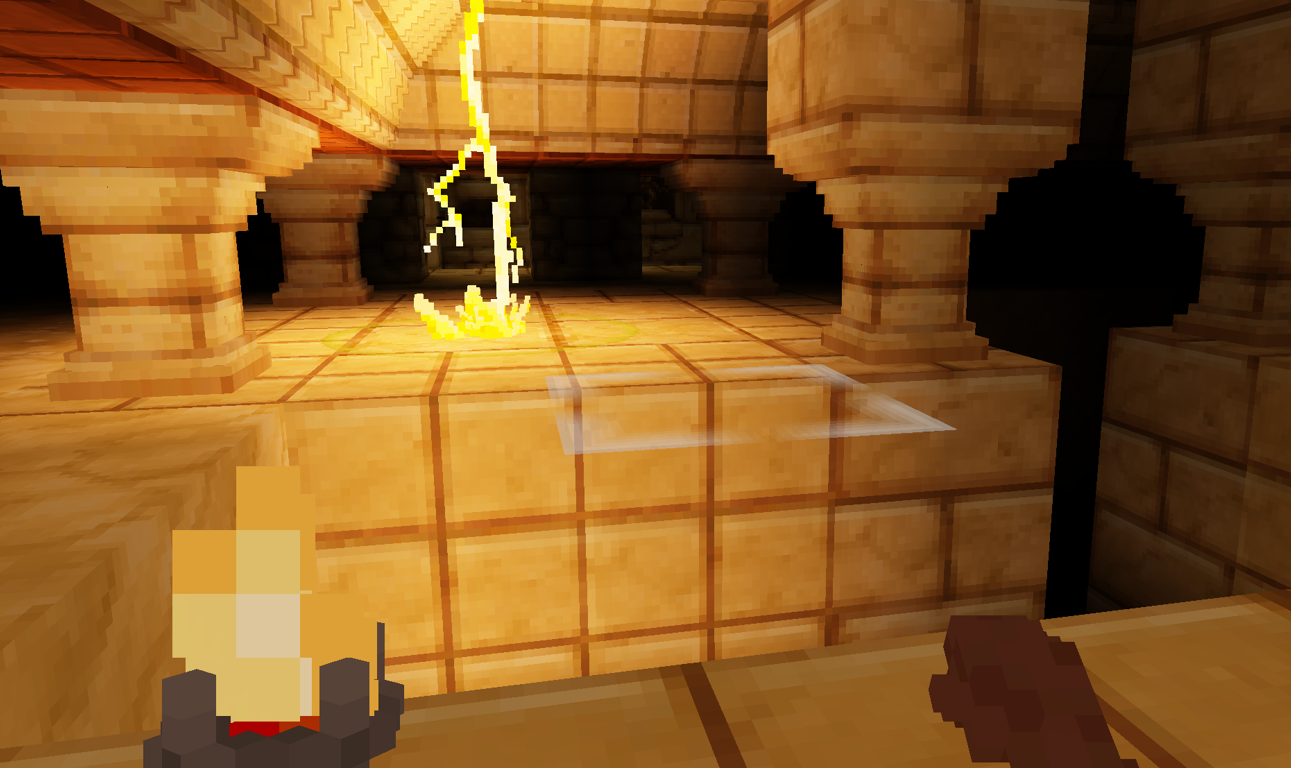
A new way to cast is introduced by the new spell additions. Called “Touch” spells, some lock onto applicable targets while others can be cast directly on the environment. Once you cast the spell, it’s held in your hand where it stays until you release it. Simply use the attack button to send the spell to your target!
Grimoire Management

For adventurers who get the opportunity to practice multiple schools of magic, this button on the top left of the spell list can help quickly identify which spells belong to which schools, allowing for magic apprentices to manage their training more conveniently.
Tiers of Magic Training

All spells are available to casters at increasing tiers of proficiency. The growth potential offered by any one spell is now tied to the expertise required to learn it. Once a magic-user reaches a certain tier of mastery within a magic skill, simpler spells will no longer improve your ability! While those spells may still be useful, and many grow in power with the caster’s PWR meta-stat, practitioners of magic should expect to swap out their spells with more difficult ones to continue building on their magic abilities.
Easily spot which spells are good for your ability level with the new “+” indicator visible on the top right corner of applicable spell icons.
Class Divides

Many classes have received some small revisions, making them specialized in the magic skill which appeals to their playstyles. In practice, this means the Healer and Wizard are capable of casting very different spells from one another, and now both bring something special to the party when they join forces!
One revision includes the Arcanist. Now specialized in Sorcery, this class has lost the Light Thaumaturgy spell, but has access to the Sorcery spell Windgate in return.
Given opportunity and practice, any adventurer may still become competent in any magic skill.
Enhanced Dungeon Generation
While our largest additions to level design are waiting for “Instruments of Destruction: Part 2” this expansion brings a few major improvements of its own!
Treasure Rooms
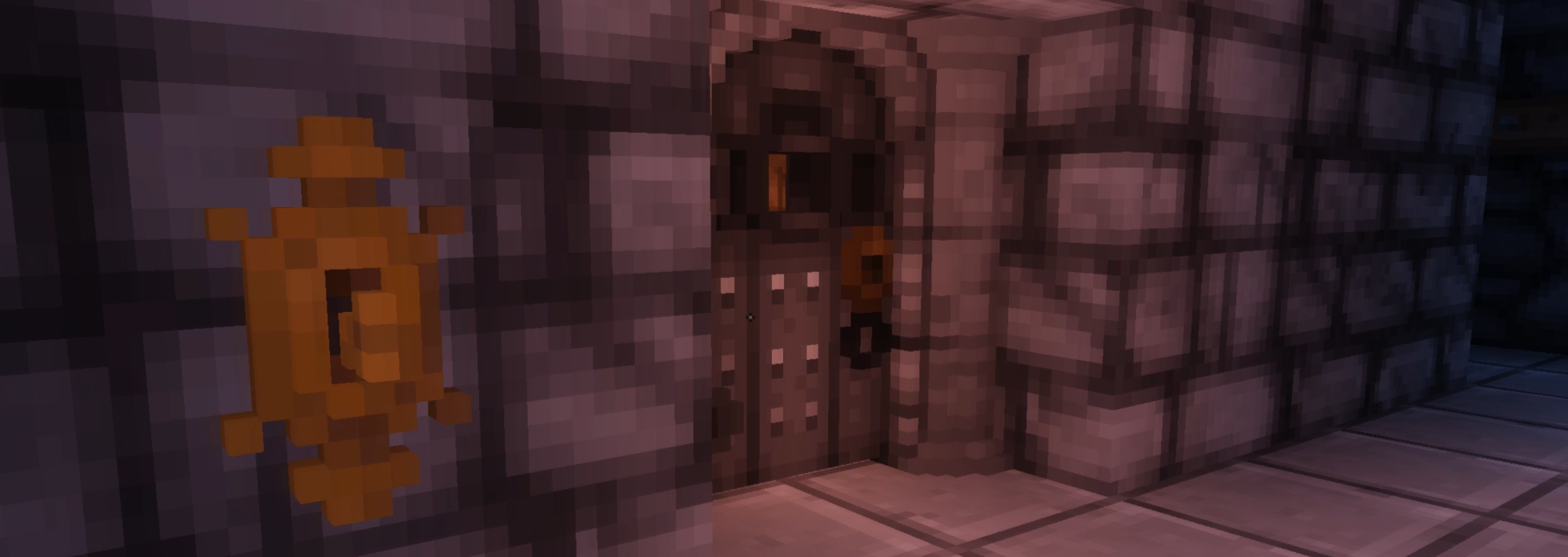
Usually protected by an indestructible Iron Door, adventurers may now discover vaults throughout Barony’s dungeons. The treasure concealed within is secured by Wall Locks. Hidden somewhere on the same floor, often in chests, on tables, or inside breakables, a key which matches the material of the lock waits to be found! With the proper key, treasure rooms welcome adventurers to partake of the bounty on offer.
Rarity, Security, and Value
The value of treasures found within treasure rooms increases based on the security of the room itself. Iron Locks and Iron Keys are the most common, and are pickable with the proper skill and tools, though they hide less valuable treasures. As the difficulty of picking these locks increases with the depth of the dungeon, so to does the value of the treasure stored within, but iron treasure rooms rarely employ any other kinds of security measures but are (probably) the only ones that may be trapped!
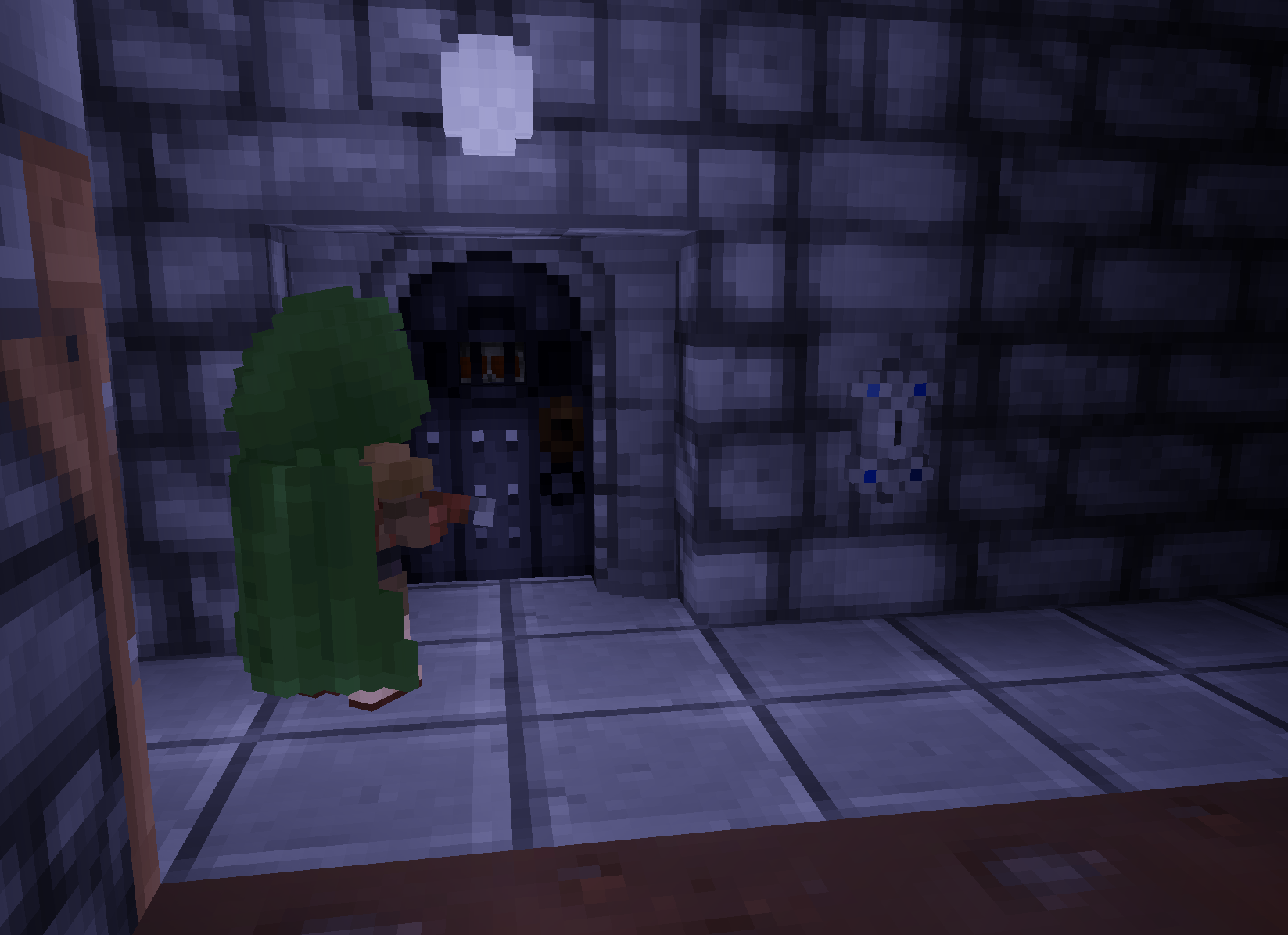
Bronze, Silver, and Gold-sealed treasure rooms are heralded by colored dungeon lighting and will, at most, appear once per dungeon floor. Magically warded gates, unpickable locks, and unbreakable walls may thwart greedy thieves, particularly at deeper levels. Higher rarity treasure rooms have the most impassable security measures. Gold Locks, for example, are never pickable.
Informed Investment
Like their wooden counterparts, iron doors permit curious adventurers to peer through their grates AND sneaking a peek at what treasure hides within. Perhaps the key is best saved for another time!
Rolling Stones

The Mystic Orbs are no longer squirrelled away in secret levels, and now instead appear reliably in their own treasure rooms on certain floors. Watch for their eerie, colorful glow and seek out their corresponding key to claim them from their new cages!
Crystal Caves and Mystic Citadel Enhancements
Way back before Quality of Death, we began a project to enhance the level design of every one of Barony’s dungeon biomes with at least 5x more variety. Since then, we’ve shipped updates to the Mines, Swamp, Labyrinth, Ruins, plus even the Underworld and Hell. But the levels which, perhaps, needed it most were the Crystal Caves and the Mystic Citadel. Finally their time has come and the enhancement project is complete!
Crystal Caves
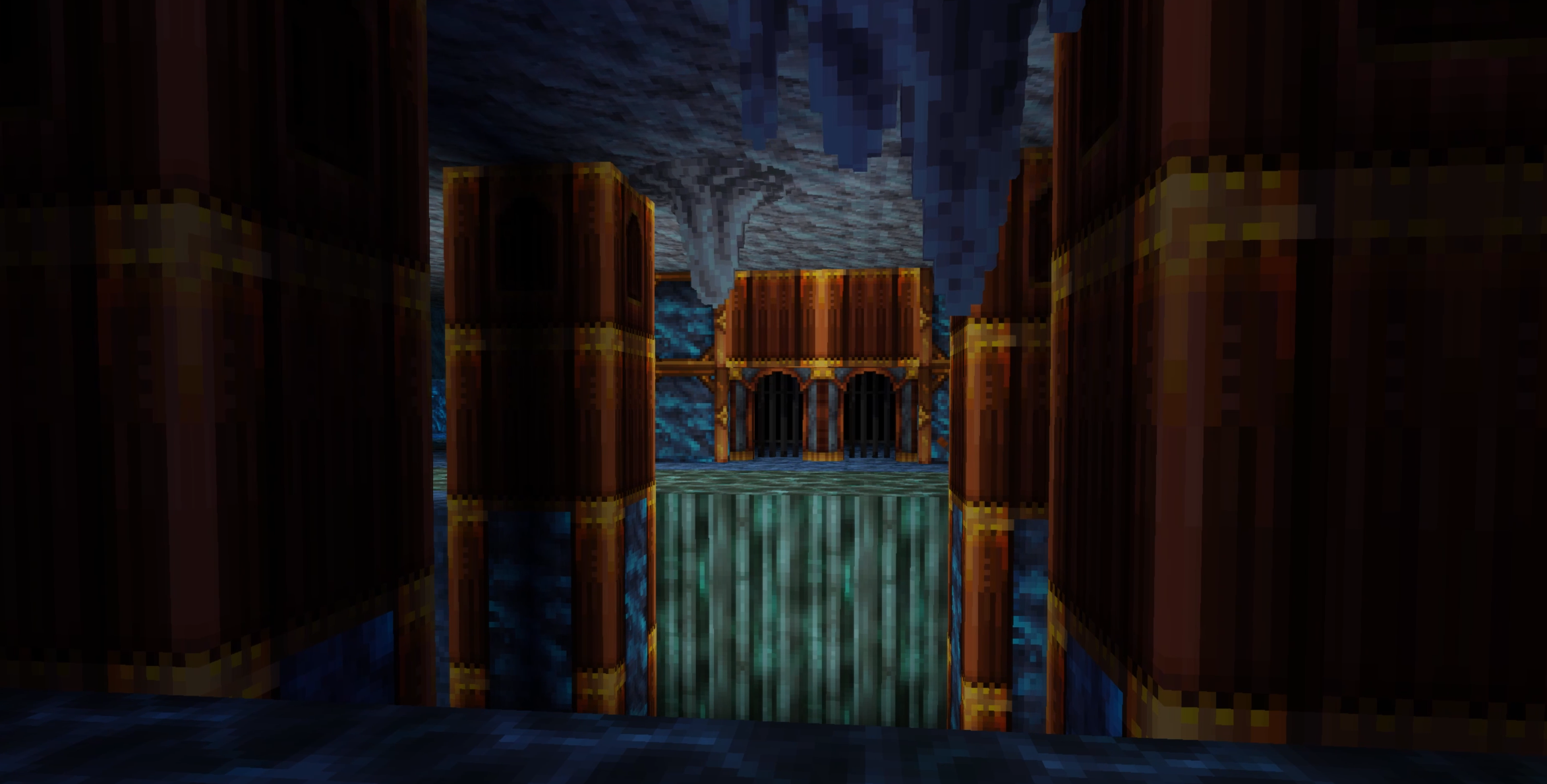
Pumphouses, kobold barracks, security spawners, and the occasional ancient trap or puzzle room will now offer variety to your exploration through the gleaming tunnels.
Mystic Citadel
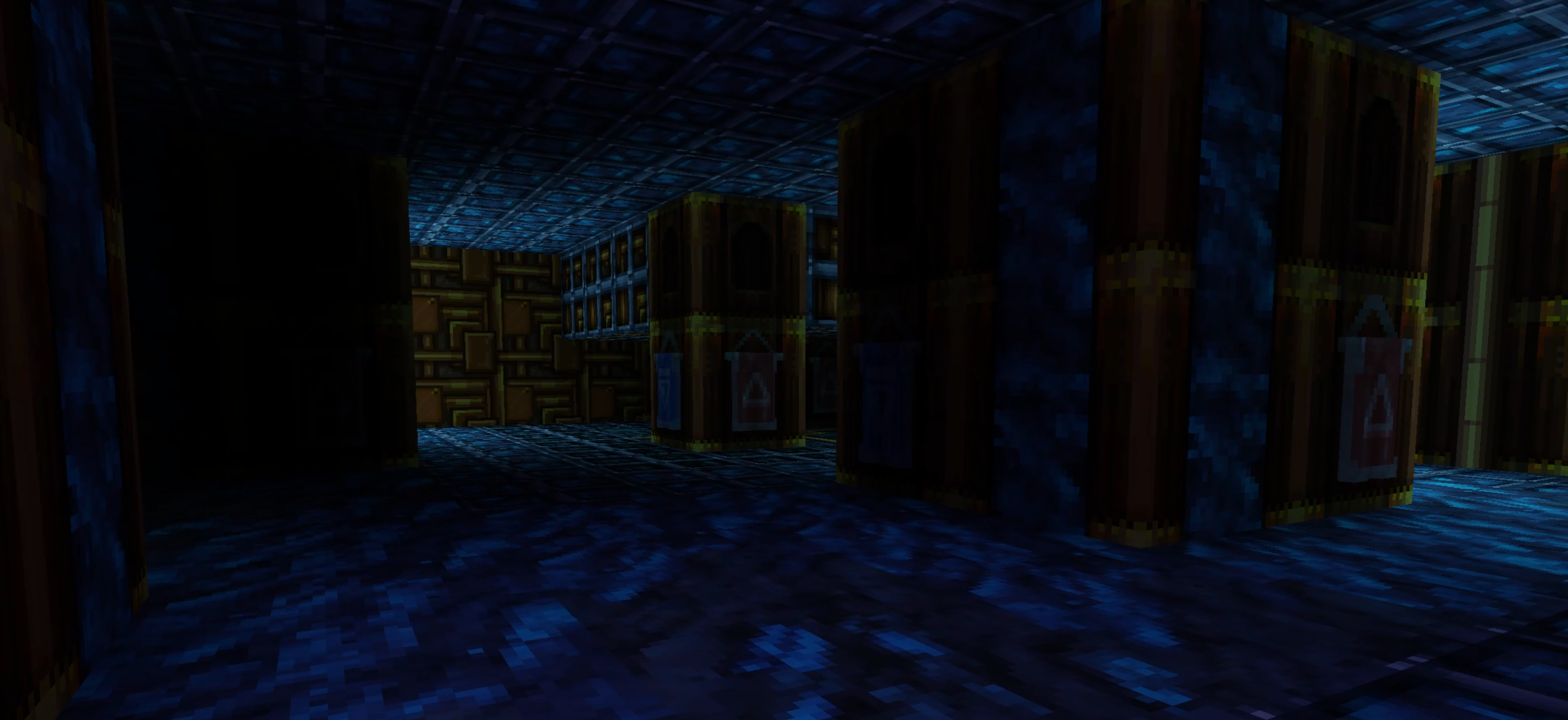
Grander halls, courtyards, staterooms, and plazas bring some contrast to the tight industrial corridors of the magicians’ campus. The Archmagisters have had some new banners hung all over the walls as well!
Button, Button, Who’s Got the Button?!

You may spot new rooms with buttons, or perhaps old rooms with buttons where levers were previously used. Throwing or firing a projectile at a button will set’em off! That’s cool right?
New Utility Stations
For those with alchemy and tinkering skills, or just cluttered inventories, there’s useful new furnishings appearing in the dungeons to make your delving just a bit more productive.
Workbench
The tinkering kit is great, but being that only the Mechanist class starts with it, and it’s both rare and expensive early on in the dungeons, it can be tough for other classes with tinkering skill to get by with what they need. The workbench is here for you!
The workbench features all the same functionality as the tinkering kit except that it’s stationary and unbreakable. Perfect for rogues who just want to keep a few lockpicks, noisemakers, and bear traps handy.
Lockpicking chests and certain spells can produce scrap for adventurers, so these stations provide a way to make use of that junk when you don’t have a kit!
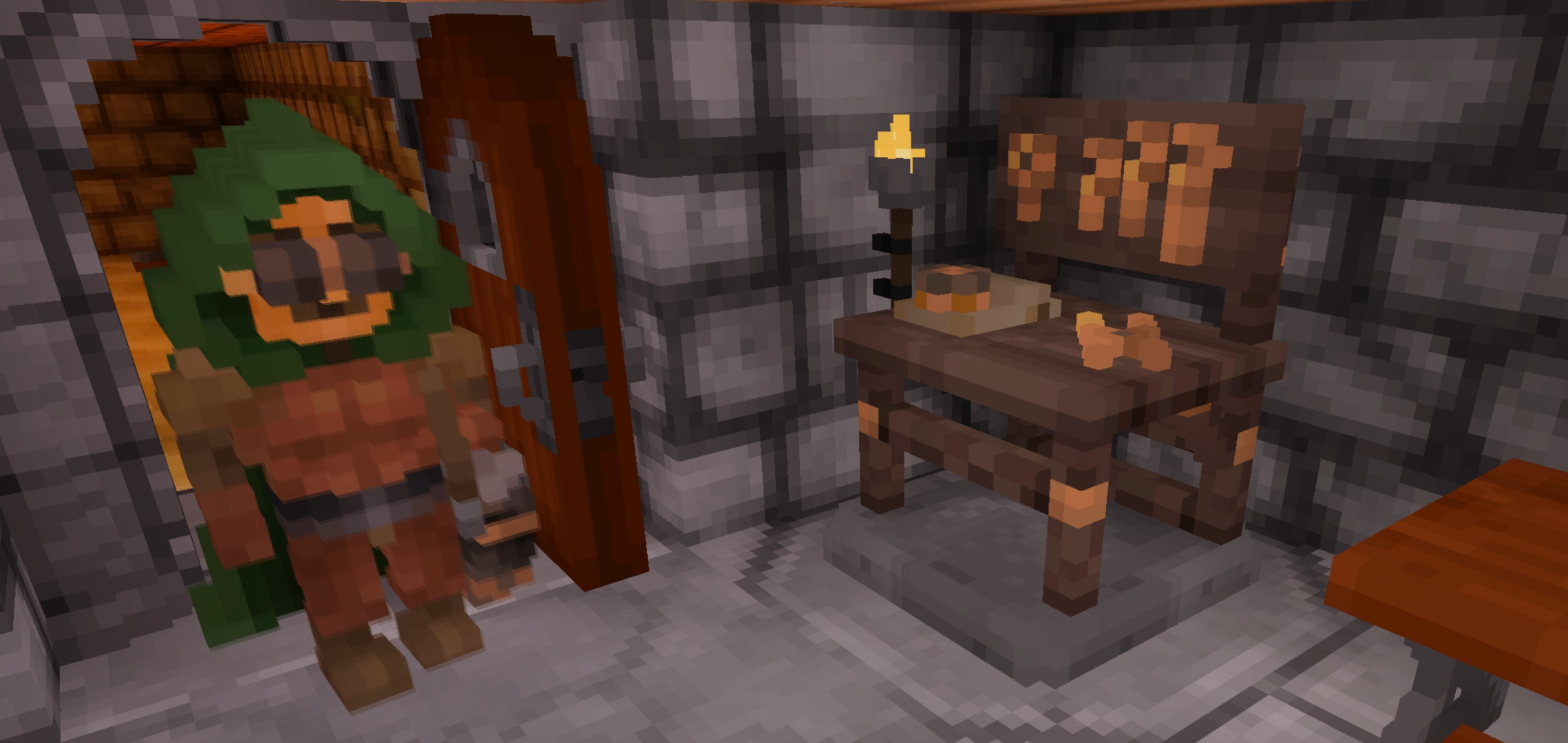
Cauldrons
Cauldrons are big iron bowls that you can dump stuff into when you want to heat it up. In Barony, they have two modes. The first is the same as the alembic!
Unbreakable Alchemy
The cauldron allows more adventurers to do occasional brewing when they don’t have the portable alembic. Professional alchemists also benefit from the cauldron, brewing more caustic mixtures without endangering the durability of their precious alembics.
Cooking and Rations
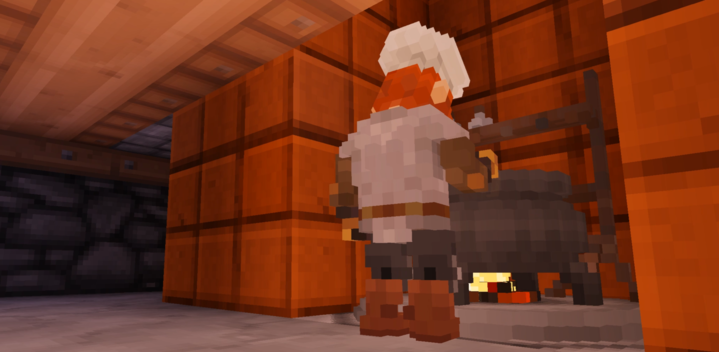
The cauldron’s second mode is cooking! But it’s not all boeuf bourguignon and souffles. In the dungeons, you cook to survive. Cooking is as simple as taking two edible ingredients and mashing them up together, creating an unholy puck of nutrition called a ration.
As long as it’s not cursed, all food cooks into the same quality of rations which stack together. While they’re not as appetizing as fresh quality food, even mouldy bits are rendered harmless by cooking. So not only will you be able to consolidate your inventory, you’ll also be able to make more of your food safely edible, thanks to the cauldron!
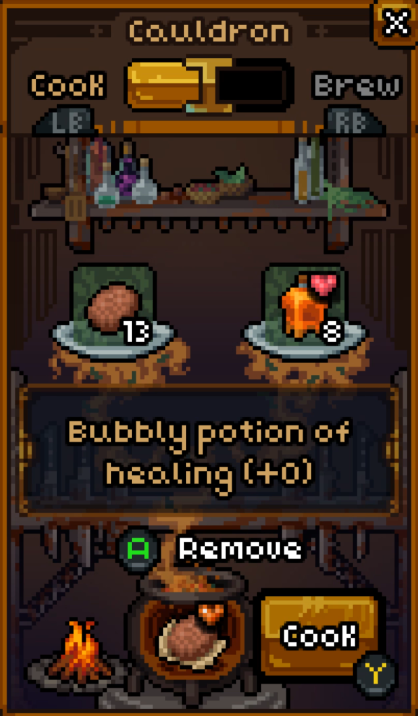
Those wearing the proper hat, or have the Alchemy skill to do it are miraculously capable of making rations that are just as appetizing as fresh food!
Flavored Rations

Once you have a stack of rations, they can be further combined with potions, creating a flavored ration. Each potion confers one of six possible flavorings. This produces fewer rations to eat, but each flavor provides its own buff. Yum!

Slop and Grease Balls

When cooking, rations can be combined with water, creating a repulsive blob of no remaining nutritional value. This can, however, be thrown at enemies to blind and upset them.

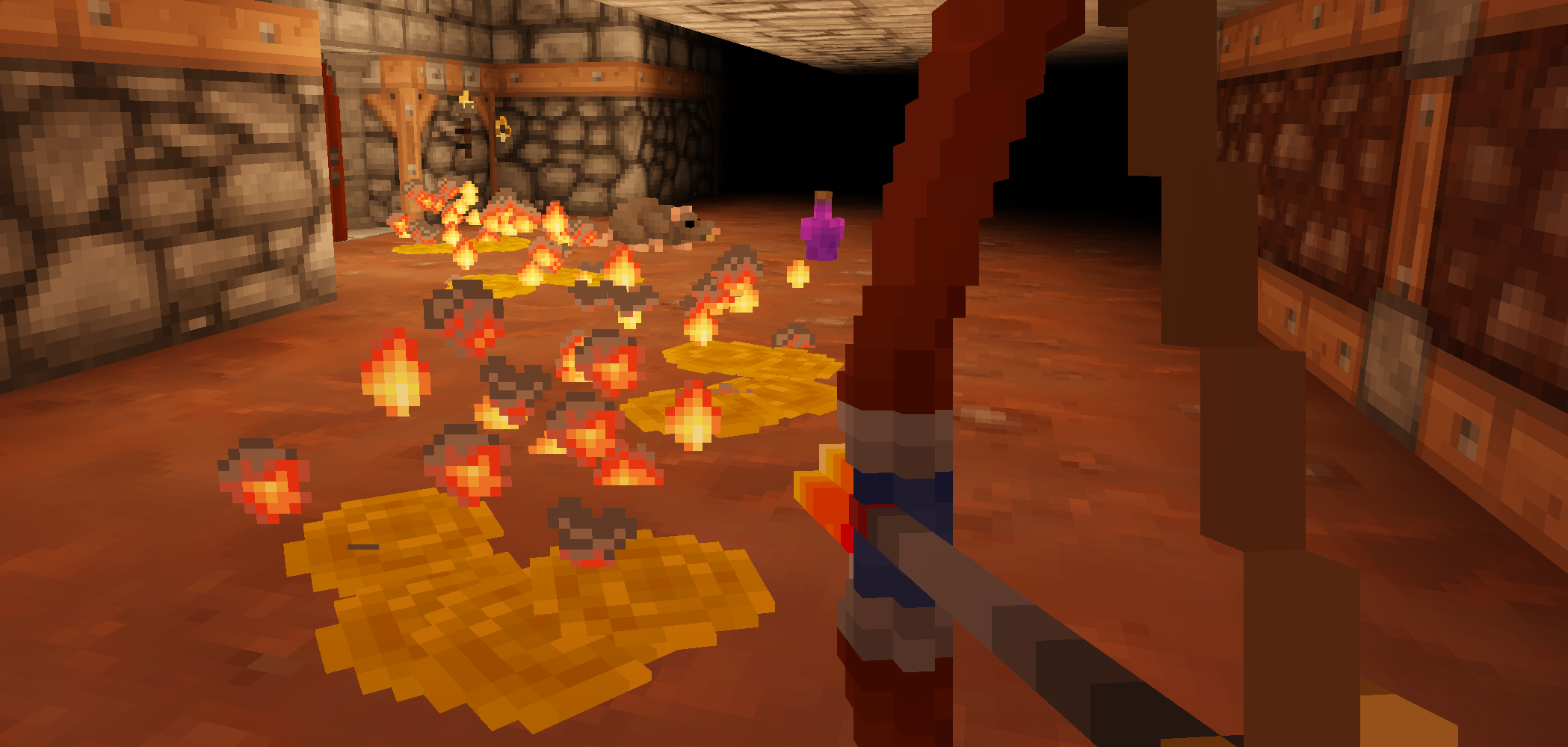
By combining a ration with a towel in a cooking vessel, you can make a bunch of gross grease balls. Hitting a creature with one of these directly makes them greasy, causing them to drop their weapon next time they try to attack!
The grease balls also leave a trail of slippery grease. Enemies standing atop the grease will be knocked back by your melee attacks. Sources of fire, like a campfire, wall-mounted torch, or even a flaming projectile can set greasy floors ablaze, along with anyone standing on top of them!
RPG System Improvements
One of the important objectives of this update is to make your dungeon runs feel more different from one another. In the case of RPG mechanics, that meant making more things matter in the long term.
Appraisal Has Become Lore
Making way for the addition of musical instruments to the game, the appraisal skill has been renamed to lore. This allows it to serve double-duty as a skill that both empowers song, but also informs your character’s familiarity with items!
At the same time, some new changes are coming your way with item appraising, making it both less punishing at low levels, while helping it stay more meaningful at higher levels.

Very inexpensive items can now be appraised even with 0 skill in lore.
By lore level 50, you will be able to appraise all items, though some will take a long time!
After 50, items must be of a certain value to increase your lore skill.
Appraisal speeds increase as you continue to grow beyond 50.
As a result of these changes, it’s no longer useful to pick up and appraise literally every item you find, but rather, things you actually want to use! This means you shouldn’t have to spend as much time managing your inventory. It also means that as you find items which actually are of value to you, manually selecting which items to appraise may become a higher priority.
Consequential Character Classes!
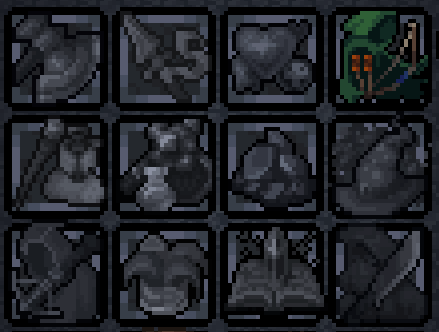
For exhaustive details, check out the changelist, but we’ll talk about the broad strokes briefly here. A combination of class and stat-based differentiators have been carefully constructed to make characters play a bit more differently from one another.
Tanks have substantially greater HP growth than other classes
Ambushers have substantially greater RGN growth than other classes
Casters have substantially greater MP growth than other classes

Strength now influences melee attack damage somewhat less
Dexterity now contributes more to ranged weapon damage
Intelligence now contributes to natural magic resistance
Perception now provides piercing shots to ranged attacks, and touch spell distance
Charisma now provides HP/MP restoration on levelup and advancing floors
By the end of the game, you should now notice much starker differences between your class’s competencies compared to those who specialize very differently. Meanwhile generalist classes still have a reliable blend suited to their strengths.
Live to Achieve!

You didn’t really expect us to add this much stuff to the game and NOT add a bunch of achievements, did you? With “Instruments of Destruction: Part 1” and “Deserters & Disciples” DLC achievements both added to the game, that’s close to +70 Achievements to earn as you explore all these new features.
As always, they’re relentlessly stupid, but also fully integrated into the Compendium and award Lore Points for your research! We hope you enjoy earning them as much as we enjoy making them. Also this means we have reached 300 achievements now. YAY!
That about wraps it up for “Instruments of Destruction: Part 1”. There’s certainly more details to discover as you play, but we also invite you to read through the Changelist as you please! With that done, let’s talk about our exciting new DLC.
Deserters & Disciples DLC
This is our most exciting DLC yet, and we know we’re providing some characters that you’re really excited about. We’re also introducing some oddballs that we think you’re going to have a blast with. Check out the “Deserters & Disciples” DLC trailer below if you haven’t seen it yet for a bombastic gameplay trailer that shows off each class.
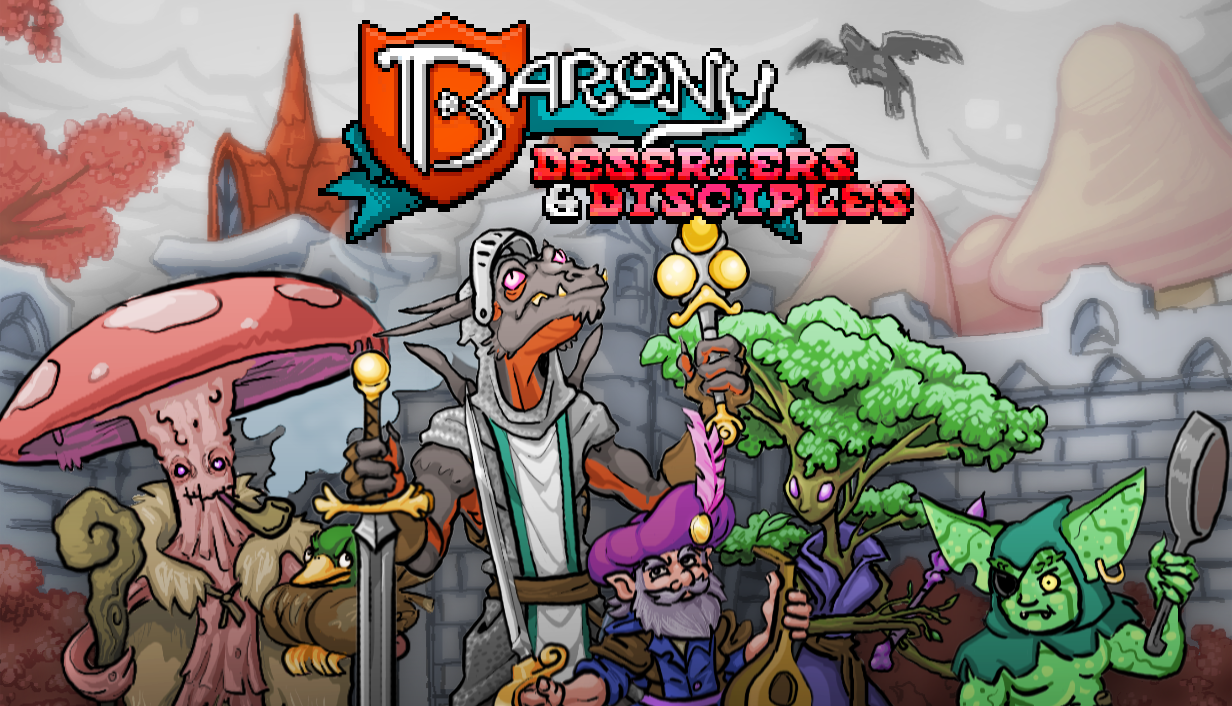
Like our previous DLC, each new race comes with a signature class. Humans are able to play as that class as well, and once you finish the game as that race, you’ll be able to play their signature class as any other DLC race you own. But this time, we’re offering 5 races & classes instead of 4!
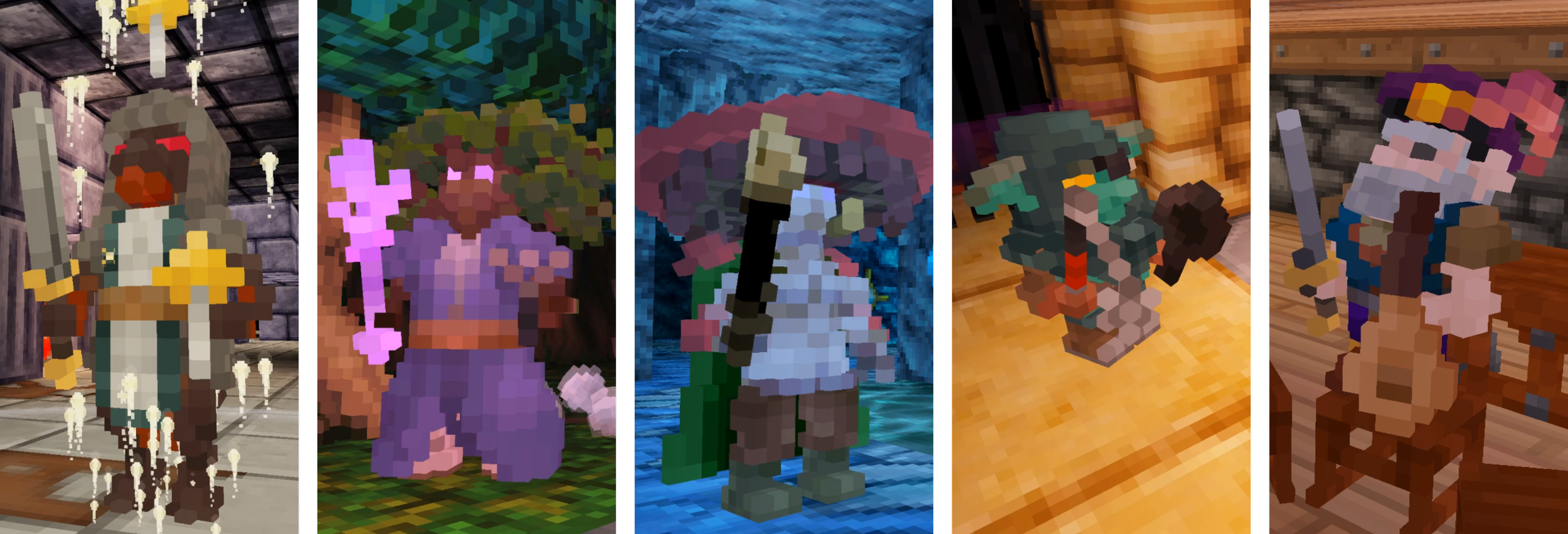
Read on to explore all the details about each race and class:
-
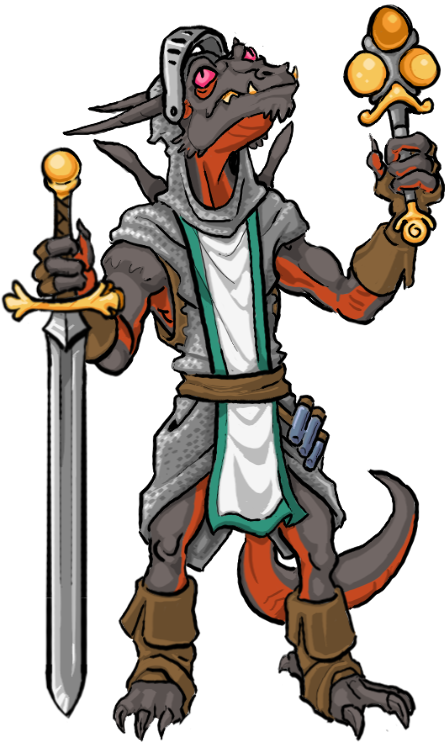
Serving as loyal protectors from another realm, the Salamanders are strangers to the human world, but they are known from ancient legends as noble and intelligent, but fierce creatures. Humans respect, but perhaps fear them!
Their hearts are filled with an inner-fire which is used to power their magic, called Fervor (FR).
Fervor behaves like MP, but it can only regenerate to 50% on its own.
Taking actions such as slaying foes grants additional FR which can increase it beyond 50%.
Salamanders can breathe fire, igniting anything in front of them in at the cost of FR.
Igniting enemies with fire breath also restores some FR.
When they are filled with Fervor (75%+), breathing fire causes them to erupt with radiant glory!
While radiant, Salamanders levitate and have increased speed and PWR.
The next spell cast after becoming radiant costs no FR!
When low on Fervor, Salamanders become even more steadfast, cooling with stone-like flesh.
While stony, Salamanders have improved defenses, but move slowly.
For a few seconds after becoming stony, the Salamander is invulnerable to attack!
Salamanders hunger at an increased rate compared to humans!
-
Unfailingly dedicated to the service of the Eternals, Paladins are skilled and durable swordsmen with enough training in thaumaturgy magic to wield it with righteous fury.
Paladins come equipped with the deadly steel claymore and chain armor.
The claymore’s critical strikes sweep in a front-facing horizontal arc, dealing damage to any foes there.
The claymore’s heavy blade can parry physical attacks, which can help push the Paladin out of reach as it deflects the strike.
Chain armor weighs more than leather, but provides additional resistance to swords and axes.
Paladins also carry with them a Holy Symbol of Sanctuary, which they can use to cast in their off-hand.
Holy Symbols increase the duration of their protective spell while channeling, applying when released.
The protective duration of the Holy Symbol builds more quickly as the Paladin’s CHR improves.
Sanctuary provides a defensive bonus to any friendlies in the area when the spell is cast.
The Holy Symbol increases the Paladin’s Thaumaturgy PWR and emits white light while held.
The Paladin knows the Divine Zeal spell, which is sustained by ongoing magic cost.
Divine Zeal adds Smite damage to the Paladin’s physical attacks.
Smite is deadly versus undead and demonic enemies.
The Paladin carries Holy Water, which can be used to heal, or thrown at evil foes for damage.
-
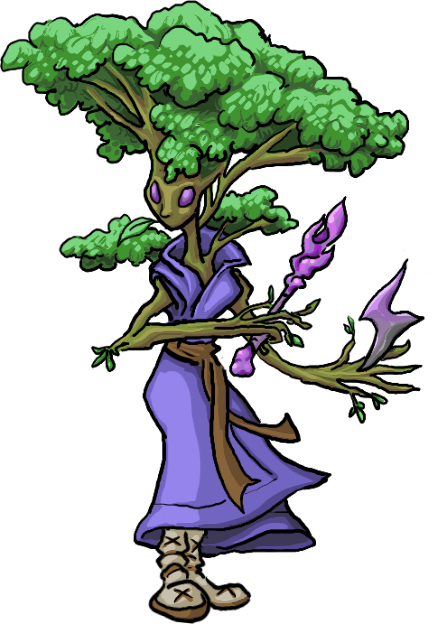
Dryads are known to exist across the realms as indiscriminate protectors of the natural order, particularly among the trees. While poorly understood by humans, the wise do not pick fights with them.
Dryads naturally grow foliage as they pursue their work, which enhances their magical energies.
Foliage occupies the head equipment slot but provides additional magic PWR.
Equipping a helmet or hat will destroy foliage and prevent growth until it is removed!
Some Dryads are short, while others are tall!
Short Dryads may grow foliage more rapidly when watered.
Dryads can use magic to cover their body with thorns, damaging foes who strike them in melee.
Dryads have the ability to germinate, creating a healing shrub that drops nutritious nuts, but reduces the size of their foliage by 1 stage.
The shrub can inherit the Dryad’s thorns, if they are active.
The Dryad’s body is woody, and is weak to fire, axes, and swords.
With the personality of a stump, the Dryad is less likely to develop Charisma.
-
Raised with uncompromising academic training, the burden of a family’s accomplishments and hopes lies with the Scion. The inheritor of great privilege, but with high expectations, and no martial prowess.
Unlike all other spellcasters, the Scion is equally skilled in all spell schools.
Dedication to knowledge has prepared the Scion to learn a wider array of spells than anyone.
Scions will have to adapt their strategies to the spells they find.
Inheritance has given the Scion the Archon Scepter, which fires powerful blasts of transcendent magical power.
The Scepter can be recharged by surrendering memorized spells.
The Scion wields a Dark Icon of Void Rifts as a last line of defense.
The Icon is wielded in the off-hand and its effect increases in duration as the spell is channeled, applying the Void Rift when released.
The Void Rift phases afflicted targets into the void, where their bodies remain in stasis for a time.
The Earth Sprite spell provides the Scion with a physical guardian, coaxed by Mysticism.
The Earth Sprite enters by falling through earthen ceilings, crushing those it lands upon.
Scions use Sorcery to cast Telekinesis, allowing them to interact with objects afar.
Telekinesis can be used to drag the Earth Sprite through fights, causing damage to everyone it touches on its path.
The Scion knows the Blessed Meals ritual from Thaumaturgy, granting Nourishment to anyone nearby who eats during the duration.
Nourishment increases RGN more as more hunger is restored.
Scions carry two Silver Keys.
-
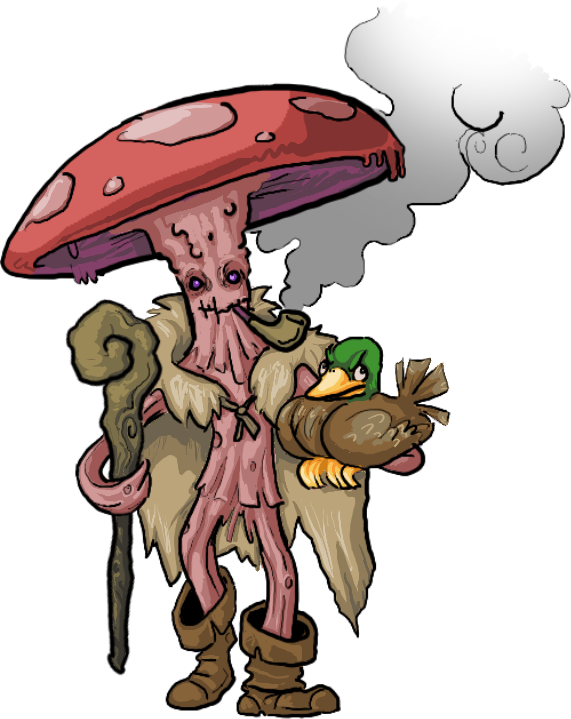
Myconids are so rarely seen that some scholars have denied their very existence. Their isolated ways make them elusive, even more so because they seem only to dwell among the decaying areas of Dryad-protected forests. Being that they keep to themselves, Humans consider them more an astonishing curiosity, rather than a threat.
Myconids have the ability to release spores when struck, slowing and poisoning nearby foes.
Myconids grow foliage as they advance, which improves their defensive abilities.
Foliage occupies the head equipment slot but provides additional AC and physical resistances, and makes the Spores ability more potent.
Equipping a helmet or hat will destroy foliage and prevent growth until it is removed!
Myconids may be energized by consuming rot.
Some Myconids are short, while others are tall!
Short Myconids are more likely to benefit from rot.
Myconids have the ability to germinate, creating an edible mushroom, which also has its own means of self-defense.
Germinated mushrooms burst with toxic spores, and are more powerful depending on the Myconid’s foliage size.
The Myconid’s body is dense and spongy, but quite vulnerable to blades.
With its stumpy limbs, Myconids are less likely to develop Dexterity.
-
Hermits are accustomed to living alone, spending their time to commune with spirits and cosmic energy. Ascetic isolation is interrupted by wild ducks with surprising frequency, who claim Hermits as their mates for life, and may occasionally lead them into adventure. Hermits take special pride in crafting a shillelagh over months or years, which they wield with efficiency to defend themselves and their beloved ducks.
The Hermit’s Duck is wielded in the off-hand and can be thrown at foes to distract them, allowing the Hermit to move in for melee attacks.
Ducks are incredibly deft and dodge all kinds of harm.
All Ducks have names, but few are privileged to know what they are.
Hermits use the Deep Shade spell via Mysticism to create darkness that only they can see through, keeping them hidden.
Using Mysticism to cast the Project Spirit spell, Hermits can take the form of a Fowl Spirit to explore without exposing themselves to harm.
Followers can be commanded by the Fowl Spirit, and it can quack to distract foes!
While projecting, the Hermit’s body sits asleep and vulnerable.
The clubbed end of the Hermit’s unbreakable shillelagh is filled with a dense, and magically reactive metal
Enemies struck by the shillelagh take more damage based on how many negative status effects they are under!
Hermits are novice Sorcerers, and use the Magicians’ Bubble spell to protect them from the next source of harm they face.
The smoking pipe is never far from a Hermit’s reach, which they use to calm their mind in preparation to use magic.
-
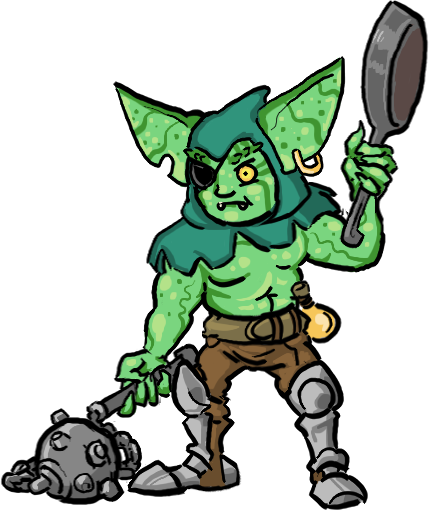
Gremlins are rumored to have demonic lineage, originally serving the armies of Hell! Since then, they’ve been left to fend for themselves in an unwinnable war. Their chaotic nature makes them unmanageable for even the most vicious devils. Humans know better than to turn their back on these violent and destructive creatures.
All gremlins are short, and hated by almost everything.
Goblins will tolerate, but not follow a Gremlin.
Vandals by nature, Gremlins increase in speed, ferocity, and energy the more senseless destruction they wreak.
Gremlins can dismantle furnishings that others cannot using their innate Deface ability, which can sometimes yield surprises in the rubble.
Defacing furnishings also feeds their vandalizing desires.
At home in dank tunnels, Gremlins can see better in the dark while skulking about.
Though slippery and good at deflecting some kinds of damage, Gremlin flesh is supple and less likely to develop Constitution.
-
The untold heroes of many castle sieges, Sappers work many isolated hours in the dark in the attempt to undermine sturdy foundations with destructive technique. Though not hardened for close confrontations, Sappers are soldiers nonetheless, and have many tricks to bring down tough targets.
Sappers know a secret Sorcery technique called Booby Trap which allows them to prime explosive onto breakable objects.
When detonated, the item erupts in a fiery explosion, harming nearby foes!
The Sapper wears a shawl that leaves the arms free to nimbly place touch spells at further distance.
Often cut off from supply lines, Sappers keep a trusty Frypan on hand to prepare their own rations.
The Frypan grants access to portable Cooking!
It is very durable and can be used as a shield, in a pinch.
Sappers always have some old food supplies and towels on hand.
Using these supplies, Sappers can create Grease Balls!
Sappers wear Cleats, making their footsteps sturdy, even when walking in slippery grease.
Cleats permit the sapper to hold fast, greatly diminishing the effect of knockback forces used against them.
The Sapper’s steel flail allows them to rapidly fend off foes at a distance, whirling the chain overhead.
Foes standing in Grease are easily knocked away by the flail’s repeated strikes!
After building up momentum, the Flail unleashes a crushing critical strike.
With a few Bolas on hand, Sappers can tangle advancing foes, holding them still while the Sapper makes the next move!

-
Not all Gnomes are overcome with the same violent greed that has befallen those in the Devils’ Bastion! Humans can recognize a Gnomish outsider, and won’t attack an adventuring Gnome on sight, though they are still not well-trusted. Gnomes entering Hamlet don’t expect to make friends easily. After all, everyone knows they’re still only here for the gold. They’re just not as violently greedy about it.
When blinded, Gnomes can sense gold, as though it shines out at them from the darkness.
Gnomes are energized by their wealth, making them restore magic power more quickly when holding more gold!
With a spiritual connection to gold, Gnomes have the ability to forge a jewel using Mysticism, using their coins in the process.
This ability allows Gnomes to turn even worthless glass into an item of great value.
Valuable gems add their own value to the jewel.
Jewels are alluring to intelligent creatures, allowing Gnomes to buy the loyalty of anyone who’s willing to take their jewel, even hostile Gnomes.
More hardened creatures from deeper in the dungeons demand higher-value jewels.
With short limbs lacking in leverage, Gnomes are less likely to develop Strength.
While the reason is unknown, Trolls find Gnomes endearing, and won’t destroy them on sight.
-
The jolly minstrel! The best bards tell true tales of the adventures they share with a heroic party. While on a gloomy quest, a little levity goes a long way. The Bard brings that, plus a swift blade.
The Bard wields a masterfully crafted rapier.
It’s actually a fencing sabre, but “rapier” sounds fancier, so that’s what the Bard calls it.
It is made from the finest metal and won’t break!
A successful parry with the rapier can deflect attacks while dealing a riposte strike!
Attack power from the rapier is determined by Dexterity instead of strength!
Bard songs enchant those who hear them, continuing to fill the air even after the instrument is no longer being played.
Each moment of the song requires a bit of magic energy from the musician.
As the song’s quality improves, the power of its effects improve, and the soundscape becomes richer!
More Charismatic musicians, and those with greater Lore skill, are able to build up powerful melodies more quickly, which linger for more time.
The Bard always carries two musical instruments.
The Flute’s melody enhances the party’s Dexterity.
The Lyre’s accompaniment improves vision in the dark, and offers magic resistance.
Adaptable to any ensemble, the Bard starts with the Mysticism spell, Alter Instrument, which transforms an instrument into any other!
Some gold is consumed in the transformation process.
Remaining instruments include the Drum, the Horn, and the Lute, each offering their own sound and enhancement!
We hope you’ve enjoyed this introduction to all the new features and content that are now available for you in Barony!
There’s still more in the works in “Instruments of Destruction: Part 2” which includes a lot more content. Everything from weapons and armor, to spells, to terrifying new enemies, traps, secret areas, new story, and a new bossfight — All o’that and more is still coming to Barony. You’ll get the opportunity to explore where the Gremlin, Dryad, Myconid, and Salamander homelands, and discover what that has to do with Hamlet! We're excited to expand your adventures even further.
In the meantime, we hope you love “Instruments of Destruction: Part 1” and the “Deserters & Disciples" DLC.